The Ultimate Convention Checklist for UK Adventure Gaming Events
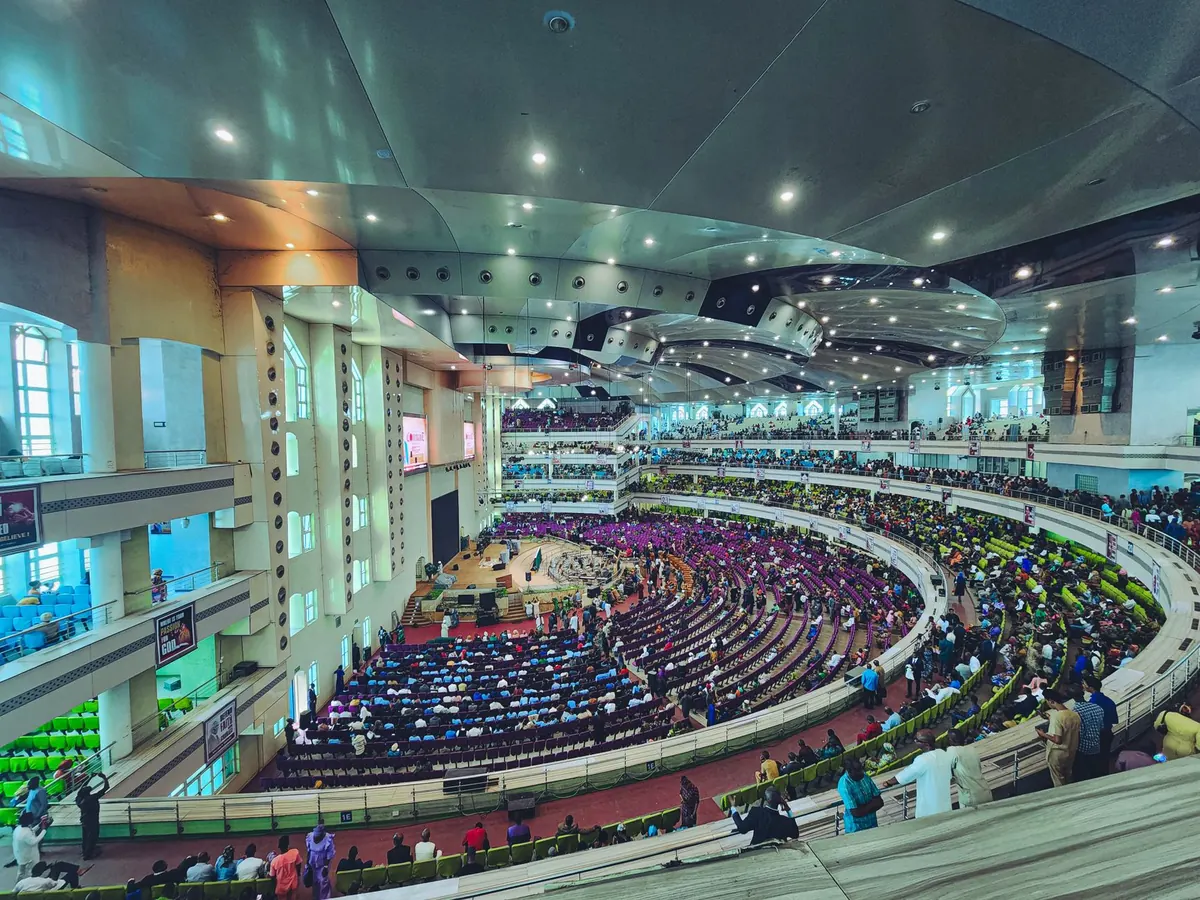
A weekend at a tabletop convention can be the best thing you do all year: three days of demos, a table of strangers who turn into a regular group, and that one board game you have been chasing since autumn. It can also be the weekend you queue forty minutes for a ticket you already had, forget your dice bag, and spend your entire fun budget on the first stall you see. A little planning fixes most of it. Keep this checklist on your phone.
Sort Tickets and Timings Before Anything Else
Tickets are rarely the tricky part; the extras are. Check whether entry is per day or per weekend, and whether demo slots, tournaments or evening events need booking separately. Some UK shows release event tickets in waves, and popular roleplaying slots can go quickly once they open. If you are travelling any distance, sort accommodation at the same time — hotels near a big exhibition hall or city centre venue fill up long before the event itself.
Then do the boring maths on travel. Last train times, Sunday replacement buses, whether parking needs pre-booking. A convention that finishes at six is no fun if your only route home leaves at five.
- Save your ticket confirmation offline — signal in exhibition halls is often patchy.
- Note the opening times for the trade hall and the gaming hall separately; they are not always the same.
- Read the refund and transfer policy before you commit, particularly if you are flying or booking a hotel.
- Find the event's social channels and Discord. Schedule changes land there first.
Build a Realistic Convention Budget
Set a hard ceiling in pounds before you leave the house, and split it into three pots: travel and food, games and accessories, and a small contingency. Knowing that £40 of your budget is "for the thing I did not know existed" stops the guilt when you find it.
Cash still matters. Plenty of stalls take cards, but raffle tickets, charity dice, bring-and-buy tables and small traders often do not. Draw out what you need on the first morning rather than hunting for a working cash machine at four o'clock on a Saturday, when half the town has the same idea.
Food is where budgets quietly disappear. Venue catering is convenient and priced to match. A supermarket run on the way in, a refillable bottle, and one proper sit-down meal a day is a balance that keeps both your wallet and your mood intact. If money worries are stretching beyond a hobby budget, talk to a free debt advice service rather than trying to absorb it silently.
The Packing List That Actually Saves You
You will not need half of what you own, but the small things matter more than the big ones.
- Dice, plus a spare set. Somebody at your table will have forgotten theirs.
- A dice tray or a soft cloth — nothing clears a demo table faster than dice rolling onto the floor.
- Pencils, a sharpener, an eraser, and a notebook for character sheets and rules you want to look up later.
- Any miniatures or terrain in a proper case with foam, not a carrier bag.
- A power bank and the right cable. Your phone becomes your map, ticket and group chat.
- A refillable water bottle and a few snacks that survive a warm hall.
- Layers. Exhibition halls swing between freezing and stifling within an hour.
- Comfortable shoes you have already broken in. You will be standing far more than you expect.
- Hand sanitiser, plasters, painkillers, and a small deodorant. Shared tables and long days.
- A tote bag or small rucksack for purchases, and a way to keep receipts together.
- Any medication you need, in your bag rather than the hotel room.
- Something to do during queue time — a small card game is ideal.
What to leave behind
Leave the whole collection at home. Unless a tournament specifically requires your army, bring only what you plan to use. Leave the fragile display piece you would be heartbroken to chip, and leave the three heavy rulebooks you can read on your phone or borrow at the table.
Demo Etiquette: Small Things That Make You Welcome
Demo tables run on goodwill. Turn up at the start of the slot rather than ten minutes in, because a demonstrator who has just explained the rules to five people will have to start again for you. Ask before picking up painted miniatures, cards in sleeves, or anything on a display stand. Ask before taking photographs, especially of other players.
Be honest if a game is not for you. "Thanks, this is not quite my thing" is perfectly polite, and it frees the seat for someone else. What is not welcome is arguing rules with a volunteer during a fifteen-minute teach, hogging the conversation so nobody else gets a turn, or vanishing mid-game. Stay to the end, help stack the components, and thank the person running it. If you loved it, buying from their stall is the thank-you that counts.
Tournaments, Long Games and Slot Bookings
Read the rules pack properly, not at 9am on the day. Know the format, the list restrictions, and how rounds are timed. Bring a legal, printed list, your own dice and tokens, and a copy of any rules you rely on. If clocks are used, practise with one beforehand so the pressure is familiar rather than new.
Between rounds, eat and drink something. Tournament days run long, and most poor decisions come from hunger and tiredness rather than tactics. Keep an eye on the clock, play at a steady pace, and remember that you will likely share a table with these people again.
Looking After Yourself Across a Long Weekend
Convention fatigue is real. Build one empty slot per day into your schedule — an hour with no demo, no tournament, no queue. Sit down, eat properly, step outside for air. Earplugs are useful if you want to rest in a noisy hall or sleep in a shared room.
If you have a health condition that flares with long days, standing or noise, plan around it before you travel and speak to your GP or specialist if you are unsure what the weekend will demand of you. Pace yourself, and treat the quiet room as a legitimate stop rather than a failure.
After the Con: The First 48 Hours
The weekend is not over when you get home. Do these while the details are fresh:
- Write names and Discord handles on the back of any cards you collected, or you will not remember who was who.
- Join the groups and servers you were invited to, and say hello.
- Add up what you spent while the receipts are still in your bag, so next year's budget is realistic.
- Unpack properly — punch out your new games, check nothing is missing, and store the miniatures somewhere safe.
- Note one thing you would do differently, and one thing you would book earlier next time.
Then rest. Good conventions leave you with new games, new contacts and a slightly wrecked sleep pattern. Put the next date in the diary, book the ticket when it goes live, and keep this checklist to hand.
Photo: Mitchel Onwuchuruba / Pexels